Staying well-groomed is not nearly as effortless as it should look. From mastering tie knots to keeping your toenails from sprouting their own toenails, the official list of requirements for looking good seems to grow longer by the day.
You can make the task of looking constantly vaguely presentable easier with four simple words: short, back and sides. Like an impeccably tailored suit (only less expensive), opting for this king of the cuts is your quickest route to looking good without even trying. You save time and can press snooze a few more times in the morning: you don’t need us to tell you it’s a winner.
Not all short back and sides haircuts are created equal, though. Here are the key men’s haircuts to consider if you want to smarten up.
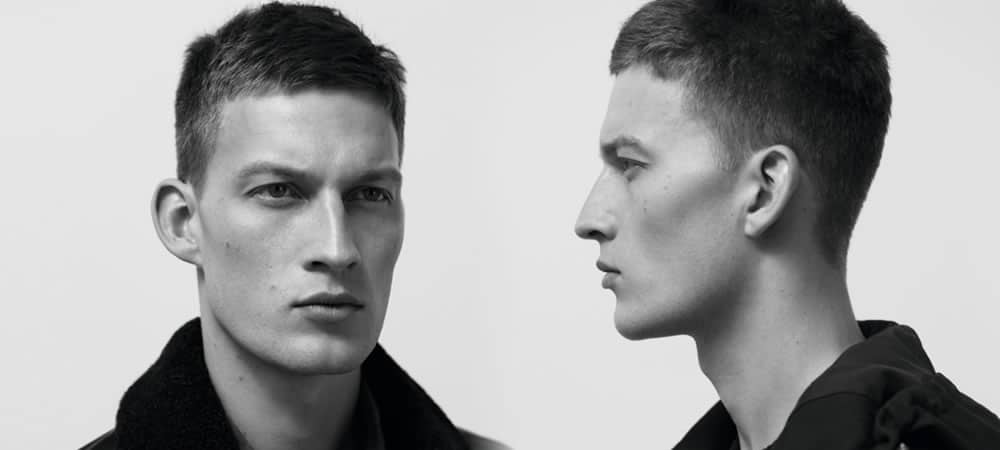
The French Crop
Requiring minimal maintenance, the French crop is a fuss-free cut that’s still flexible enough to be tweaked to taste. “A French crop is basically a short haircut, not quite military-inspired but pretty tight on the sides and generally, the hair on top is worn forwards as a cropped fringe,” says Charlie Cullen, international artistic director at British hairdressing brand Toni & Guy. “The styling on this cut can be minimal as the hair is short, worn forward and not too fussy.”
Ask your stylist or barber to take the hair very short through the back and sides, while leaving the hair on top slightly longer (a couple of inches at most). The ‘crop’ part of this style’s name comes from the top section’s choppy, textured finish.
As for the front hairline, you can either ask to have your fringe cut short and neat or keep some length for styling forward across the forehead.
Classically masculine, the French crop suits guys of any age and face shape, provided your stylist or barber makes subtle alterations to suit. Round faces, for example, will benefit from especially short, sharp sides and plenty of texture through the top section to add some height; meanwhile, it’s better to frame longer faces with longer sides (to add width) and a slightly flatter top section.
How To Style
To style the French crop, always remember to apply product to damp or dry hair. “I’d recommend using matte paste for a dry natural feeling so it’s showing off texture without being overstyled with heavy product,” says Cullen.
For a shinier, glossier finish however, use pomade or grooming cream rubbed messily into your hair with your fingers.
The Quiff
A natural born showstopper, nearly every man’s tested a quiff out at least once in his life, and its beauty lies in the fact that it can be worn as subtle or extreme as you like. Any stylist or barber worth their salt will know that a quiff is all about length and volume at the front, so striking a balance is key when it comes to this cut.
“Ask for long enough length in the front so that you can actually wear and style it worn up away from the face,” says Cullen. “If it’s too long it will flop down. Generally a quiff works better when it’s not texturised – when it has too much texture it doesn’t look as groomed or classic.”
If you take the back and sides particularly tight while leaving a good deal of length on top, your quiff will look much more dramatic due to the extreme contrast – so have a clear idea in mind as to how you want your quiff to look before your stylist or barber starts chopping. The crown area of your hair also needs to be cut shorter to allow the quiff shape to stand out.
How To Style
Unlike more rough and ready short, back and sides hairstyles, the quiff likes to be put in its place and stay there: you’ll need a bit of skill and a lot of precision to style well.
“To style the quiff apply a thickening tonic to wet hair then use a small vent brush to stretch the roots of your hair while applying heat from a hairdryer to create volume and roundness at the fringe,” says Cullen. “To avoid going too retro and Elvis like, undo the style afterwards a little bit by running some soft wax through it.”
Textured & Undone
If you’re more bedhead than painstakingly sculpted Lego hair, a low-fi, ‘undone’ take on this hairstyle is likely your best bet.
“The textured short back and sides cut that you should go for depends on the thickness of your hair,” says Cullen. “If it’s fine don’t go as short with your fade on the back and sides as it will expose your scalp. Ask for the top to be point cut or cut with a razor to give a rougher, rugged texture – think classic Brad Pitt during the 90s.”
Thanks to its relaxed structure, an undone style frames most face shapes well. That said, to ensure yours is shown in its best light, whoever is cutting your hair should maintain the right balance between the length of the hair on top and that at the back and sides to keep your mug from going woefully off-balance.
How To Style
You can further iron out any natural head quirks with = styling. If you want to add length to your head, give it some height by working a volumising product into the roots first.
But, if you’re all about that get up and go life, then thankfully you can do practically nothing with your styling and still end up looking decent. “Apply a sea salt spray to wear hair, scrunch your hair with your hands then let it dry naturally or blast with a hairdryer,” says Cullen. Bish, bash, bosh.
The Modern Fauxhawk
Kind of a quiff-lite, the fauxhawk sits somewhere between the easiness of a French crop and a statement style like the pompadour. “It’s a bit like a mohican but a lot more modern – think ex Directioner Zayn Malik for inspiration,” says Cullen.
Whether you opt to take the back and sides really short to emphasise your fauxhawk, or keep it all a little longer for a more even keel, it’s essential to leave the front section – the focal point of this look – longer than the rest, but within reason. “While the haircut needs to be left longer in the middle to qualify as a fauxhawk, you only need a few inches of length so it’s not too [much like] David Beckham’s extreme mohawk from the noughties,” says Cullen.
How To Style
When it comes to styling, the fauxhawk is surprisingly versatile; keep the front neat and tidy for a smarter, work-appropriate look or go messier if you don’t like (or need) to look too put together.
“It’s quite a textured haircut that needs to be styled to keep the centre looking its best. I’d use a deconstructor or texture paste to style the messily towards the centre without making it look uniform or ‘glued’ in appearance.”
The Side Parting
Slick and neat, the side parting is the undisputable daddy of smart hairstyles, but it takes some prep to ensure yours is on-point.
Before getting your hair cut for a side parting, take time to establish which way your hair sits so that you can cooperate with Mother Nature. “Look at your natural growth pattern on the front of your hairline – it’s better to work with the hair than against it, so see which direction your hair naturally pushes over towards and cut and style your hair accordingly,” advises Cullen. “Ask for a little bit of longer length in the fringe, but it shouldn’t be too short on the sides as little err too close to literally mimicking Peaky Blinders style.”
It’s a good shout to discuss with your barber or stylist how prominent you want your parting to be too, as that will impact how your hair is cut. By having them taper your back and sides tightly, your side parting will look even sharper. And if you want your parting to be the focal point of this take on the short, back and sides, ask for a hard parting to be shaved in.
How To Style
The way you should style a parting depends on your face shape. If your face is round, try to avoid creating a parting that’s too slick or flat as its clean lines will look at odds with your face. Instead, consider a hair-dryer and blow-dry some volume into your hair.
When it comes to product choice, comb through something such as a wax for a glossy, red carpet worthy finish, says Cullen. Alternatively, if you’re not a fan of the wet look a lower shine defining paste will look neat without appearing overly styled or greasy.
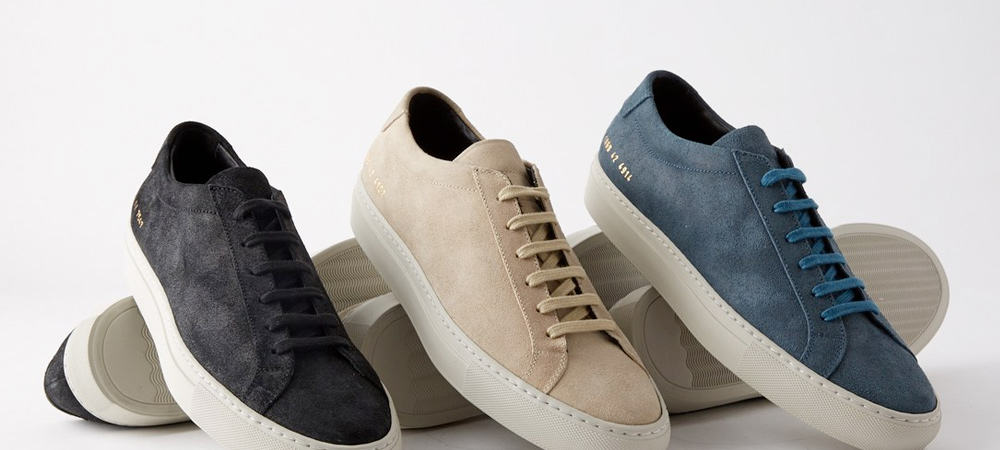
The best suede sneakers for men: they’re about as reliable in bad weather as an umbrella made of bog paper, are a nightmare to clean, and if you spill a glass of Rioja on them, it’s basically game over.
And yet, even despite boasting nowhere near the same level of practicality or, well, wine-proofness as their leather counterparts, they remain one of the most important footwear investments a man can make.
Just ask American singer Carl Perkins, who wrote his famous ode to a pair of blue suede shoes. Fuzzy footwear is light, comfortable, and if you know how to care for it, fatal stains and water damage can actually be avoided altogether.
From what to wear with them to the brands making the best ones – here’s everything you’ve ever wanted to know about buying a pair of the best suede sneakers for men.
Oliver Cabell
The Best Brands For Men’s Suede Sneakers
From tailoring-friendly options at the premium end of the market (and your bank balance) to terracewear essentials built for the stands, these are the brands to turn to when it comes to shopping for a pair of men’s suede sneakers.
Where sophistication doesn’t meet pretension, these CLAE suede sneakers can double as a pair of suede loafers if you’re not looking carefully enough. The Los Angeles sneaker brand has been elevating the sneaker game with their minimalist and eco-friendly designs since 2001, and these suede stunners continue this legacy with their following. They are also wallet friendly, allowing you to stock up on a few sturdy pairs you can rotate through the seasons.
Prioritizing quality and comfort, CLAE has a focus on recycled materials, vegan leathers, and innovative practices which have set them at the forefront of the sneaker game in LA and beyond.
Buy Now
High-top suede sneakers? The minimalist-driven brand takes on their rendition of Converse and makes them high fashion with clean lines, natural coloring, and sustainable uniqueness that’s worth bragging about. Using tried and true vintage aspects mixed with the eagerness to create a comfortable experience, this high-top suede sneaker will elevate your fashion game and add that pop of texture your wardrobe craves.
And if the light colorway is cause for concern, you can scoop up the same pair in black, or opt for one of the dozen other suede sneaker designs Axel Arigato is famous for.
You know what they say about Swedes and suede? In this case, a lot. The Stensund Sneaker Suede from Myrqvist is made from premium Portuguese suede with a clean, but classic sneaker design that complements any type of outfit. Throw on a pair for a casual day out or add them to a more formal get-up to help dress it down.
Available in a whopping six colors, ranging from olive to desert to storm blue, there’s an option for every gent’s wardrobe. While the flaws of this sneaker are few and far between, they do run large so it’s recommended to size down.
Buy Now
When it comes to footwear design, Nike’s focus on pushing the envelope has meant that it’s much more common to see sneakers made from woven recycled goat hair. Nevertheless, men’s suede sneakers from the brand do exist, and they are worth parting with your cash for.
For classic retro styling, look to models such as the Blazer or the Bruin. Or, for something a little more modern, check out premium versions of some of the brand’s Air Max models, which often feature an all-out suede construction.
When a millennial takes a stab at creating and designing sneakers and accessories, you know the creation will be unique. Founded in 2016 by a guy in his late 20s with zero fashion experience, Oliver Cabell was born out of a serious passion for fine design. Built on a unique business model, this sneaker brand bypasses traditional retail markups and instead provides the product direct to consumer, allowing the average Joe to revel in luxury footwear and accessories.
Calling on some old-school visuals, their best-selling Low 1 sneaker in suede gives off a rustic, lived-in feel. It looks like you’ve worn the sneakers already (in the best way possible), providing an air of comfort and laidback sophistication. Sometimes you want footwear that looks like you actually enjoy wearing them and Oliver Cabell hits the mark with these kicks.
Buy Now
The Samba, the Gazelle, the Campus the Trimm Trab; we could go on. As any sneakerhead worth his salt knows, Adidas has made and continues to make some of the most iconic men’s suede sneakers on the market.
Since 1949, the brand’s trademark blend of soft suede and white leather stripes has been a common sight on sports courts, football terraces and the feet of many a style tribe. Look out for the classics, or for something a little more unique, check out what the archive-inspired Spezial line has to offer.
Puma is so good at making men’s suede sneakers that its most iconic footwear silhouette is simply called the ‘Suede Classic’. But don’t be fooled, that doesn’t mean the brand’s other furry styles aren’t just as worthy of your hard-earned.
There’s the sporty, retro goodness of the Roma, the sleek styling of the Basket Classic and the track-and-field-ready Easy Rider. All are solid suede choices from one of the biggest names in sportswear. What more could you want? Buy Now
Nobody is about to argue that £300 isn’t a ludicrous amount of money to drop on a pair of sneakers. Still, if you were planning on skipping a few meals in order to do just that, a pair of Common Projects would serve as some pretty good motivation as to why you should.
The American-Italian footwear brand is best-known for its buttery calfskin leather, but suede variations of its minimal sneakers are every bit as appealing. If you were looking for a men’s suede sneaker that does it all and then some, you just found it.
No one makes men’s suede running shoes quite like New Balance. The Boston-based firm’s ultra-comfortable suede sneakers have mass appeal for good reason, loved by European cool kids and North American dads alike.
For the highest-quality options, look for the ‘Made in the UK/USA’ styles. Yes, they’ll set you back a little bit more than the mainline versions, but you’ll ultimately be getting something that’ll work better and last longer. Better value in the long run.
Converse has always been a name synonymous with canvas footwear, but with advancements in footwear technology in the 1960s, the brand was forced to up its game and introduce something new to the game.
This resulted in the One Star, a simple suede sneaker with a low-top design that quickly became a hit on basketball courts and, later down the line, skateparks. It’s the only shoe from the American brand that was exclusively made from suede and continues to be a stylish, reliable and wallet-friendly option to this day.
Californian skate brand Vans knows better than most the practical advantages of suede construction. The material has long been used by the label to provide skateboarders with increased durability and better grip when performing tricks.
That’s the practical side of it, anyway, but it also looks good. For proof, just look to the likes of the Sk8 Hi or the Old Skool, both of which perfectly illustrate Vans’ knack for making suede sneakers that can stand the test of time.
Golden Goose has done the impossible. That is, create a highly successful brand around the concept of selling shoes that look like they’ve already run 10 marathons, for 10 times the price of a regular sneaker.
Still, there’s just something about them. We know it’s ridiculous, but also, we kind of want a pair. Hey, if you can afford it then why not? Buy Now
With a long history in the sneaker industry (18 years to be exact), two veteran designers teamed up in 2018 to create a wholly recycled sneaker brand. Working from their East London studio, Uniform Standard’s creations are making a splash, and these grey suede sneakers are right there at the forefront.
Classic, comfortable, and ready to go with anything, this is a solid pair of shoes to have in your closet, especially if you dig the retro basketball profile, elevated with premium Italian suede. This is one pair of shoes that you can take from the court to the streets seamlessly.
Take one former Supreme creative director, a hint of beachy styling, a dash of minimalism and strain it all through a skate-culture-shaped colander and what do you get? Well, something that tastes a lot like Aprix.
This relatively new footwear brand works exclusively in brightly colored suede, and we defy anyone to be in anything other than a fantastic mood when they’re wearing a pair. If not because of the vibrant colors, then just due to the instant style points earned.
Perhaps the most redeeming feature of men’s suede sneakers is how easy they are to style. Find a smart enough pair (low profile, block colour, minimal detailing), and there’s no reason they can’t be paired with tailoring in the form of cropped trousers, a (preferably unstructured) suit jacket and a roll neck, T-shirt or polo shirt.
At the other end of the spectrum, a pair of classic, retro sneakers in suede make excellent Saturday afternoon pub attire when worn as part of a casual outfit with jeans, a crew neck sweatshirt and hooded jacket.
The secret to getting any look right is simply to ensure you don’t try to dress up shoes that are fundamentally casual. That means a big thumbs down to a pair of men’s suede running shoes with a black tie, but you probably knew that already. Smarter suede sneaker styles, on the other hand, can be dressed up or dressed down to whatever extent you see fit. Just keep the colours simple, the detailing minimal and you can’t go far wrong.
Why You Need A Pair Of The Best Suede Sneakers For Men
People often talk about suede and leather as if the two are completely different materials. They’re not. Both are made from cowhide, but whereas leather (the exterior skin of the animal) has a smooth finish, suede (the inner layer of the skin) has a more velvety feel. Each has its pros and cons, and though it’s true that suede can be more susceptible to staining than smooth leather, it’s also less prone to scuffs and tends to be easier to break in.
Then there are the good looks. Suede has a more porous finish which holds dye well, meaning brighter and more vibrant colors are achievable than with other materials. This is something German sportswear giant Adidas has capitalized on, with three crisp white stripes set against a vivid suede backdrop having become something of a trademark in its own right.
The heightened risk staining is what tends to put buyers off. However, hydrophobic products from the likes of Liquiproof, Crep Protect and Jason Markk, which provide a sort of water and stain-repellent forcefield, have all but eliminated this problem. Now you can stand up, eating a hotdog and wearing a pair of men’s suede sneakers, safe in the knowledge that should any mustard escape, it’ll just roll right off the surface of your footwear.
Emergency department (ED) overcrowding continues to strain healthcare resources and harm the patient experience. Patients continue to treat the emergency room as a catch-all for their emergent (and some non-emergent) conditions, while in reality, many would be better suited to receive treatment at an urgent care (UC) clinic – where they could also be seen in a fraction of the time. It’s up to urgent care clinics to help patients understand urgent care is a completely viable, likely better option.
There are many ways to address this through marketing, but success is largely contingent upon reaching different audiences who consume information in different ways. In healthcare, it’s easy to segment by generation and consider how each age group would best be reached. Technology is a crucial asset here, but UC owners and marketers must also consider the varying levels of comfort with tech.
There is no one-size-fits-all solution to meeting the needs and expectations of today’s patient population, so the urgent care industry can use intel from each generation to reach them, help them understand the best course of action on a case-by-case basis, and improve care delivery.
Finding an Identity
WD Partners conducted a survey on how 2,600 consumers between 18 and 80 years of age used and perceived primary care practitioners (PCPs), retail clinics, and urgent care. Results showed that Gen Z and Millennials are progressively looking to move away from the PCP’s office and toward more accessible, low-cost options. As for the older consumers, even though 90% prefer PCPs, lack of familiarity was the top reason that Boomers (44%) and the Silent Generation (50%) reported not considering urgent care facilities for services. As healthcare deviates from the classic PCP model, confusion grows about which alternative provider will best suit consumers’ needs. Establishing a firm identity for urgent care by clear up messaging surrounding where to seek care for various symptoms and ailments will ultimately drive revenue growth for the industry.
Additionally, according to a National Library of Medicine article, an increase in presentations by the elderly is one of the top reasons EDs are struggling. The number of nonurgent and unnecessary visits were also cited, among other factors, emphasizing the missed opportunity for these folks to seek care at an urgent care clinic. This missed opportunity comes down to less-than-sufficient communication and messaging: urgent cares need to find a way to let these patients know they can help with these types of concerns.
Reaching each generation
What patients want is fairly consistent across the generations (after-hours care, convenience, and accessibility). How patients want to receive information, though, varies – particularly by age group – so to optimize success, urgent cares should build diverse and tailored marketing strategies.
Older generations may not be as tech-savvy as others, but Baby Boomers and the Silent Generation should not be mistaken as tech-incompetent. The biggest hurdle urgent cares have with these groups is their loyalty based on familiarity. To redirect this patient population to urgent cares, messaging should focus on how UC can provide services that they cannot get with their PCP and highlight that they don’t need to waste time and money in the ED.
Gen X, on the other hand, is particularly skeptical of healthcare claims, so there is a general mistrust of healthcare establishments and advertising. This group is responsible for making or influencing medical decisions not only for themselves, but potentially also their parents and their children, making them an extremely valuable target group for this clarifying messaging.
For millennials, who were raised with the internet, convenience and technology are top of mind; however, they also lack trust in services that have not embraced technology thoroughly. Millennials seek out healthcare providers who offer virtual appointments, online booking, and pricing transparency, and they are open-minded when it comes to alternative care options – making them a more adaptable patient population. Urgent cares should lean in here in order to reach the millennial population.
Generation Z has a powerful impact on the healthcare industry as consumers. This group is most likely to be open-minded when seeking care, so urgent care has an opportunity to gain their trust – and, hopefully, lifelong patients and advocates. Wait times are top of mind for Gen Z, and UC should capitalize on this attitude by touting their comparably fast service.
As consumer preferences change, healthcare must evolve. In the case of older consumers, familiarity breeds loyalty. Baby Boomers and the Silent Generation value longtime PCP loyalty as they have more complicated medical histories and typically need more extensive care. Gen Z and Millennials, on the other hand, look for convenience, speed, and ease of access – all of which are characteristics of urgent care. UC operators must be flexible, tapping into each of these audiences strategically through different forms of communication.
A time and place for tech
With virtual appointments, online booking, waiting room/treatment times, mistrust in technology, and accessibility all playing into the healthcare consumers decision-making, urgent care must also take aspects of care into consideration as they utilize technology to improve a practice and its operations. Patient engagement solutions can help urgent care clinics address these concerns from top to bottom. They allow patients to make appointments through clinic websites; provide virtual waiting rooms; offer wait time transparency; and more. As for treatment room time, if providers are spending significant time on charts, a clinic’s EMR is likely not as efficient as it should be. Technology being implemented should reduce manual efforts through automation and speed up processes so that providers aren’t spending time on menial tasks instead of with patients.
Along with technology in practice clinically, it’s also the best tool to reach each generation of patients. From paid digital ads, blog or website content, email campaigns and podcasts, to social media, new outlets, or television and radio – there are numerous pathways through which urgent care can most effectively reach each group by knowing their comfort with consumer-facing media and technology that is available. For example, Boomers typically get their news from television and radio outlets, but those traditional news sources are not lucrative options for Millennials or Gen Z. These two groups more commonly source their information from digital media such as paid ads, podcasts, or social media which point to the accessibility to information they like to have at their fingertips.
Communication with patients should be a top area of focus as urgent cares look to develop their marketing strategies, tailored to each generation they are trying to reach, with an eye toward relieving unnecessary demand on emergency departments. With its on-demand nature, urgent care can give patients the care they need in the timeframe that other care sites are typically unable to deliver. Investing in the right technology to engage with patients supports this effort and is essential to deliver care and even exceed their expectations. A tailored approach to marketing these services will boost urgent care by helping clinics best serve their communities, setting them up for long-term business success.
Photo: elenabs, Getty Images
Dr. Barlow’s experience spans various facets of healthcare, from Emergency Room Medical Director to Senior White House Physician, to CMO at the nation’s largest urgent care provider. His expertise and enthusiasm for the industry position him to uniquely address the most pressing systemic challenges that have long faced on-demand care. Dr. Barlow holds an MD from Uniformed Services University School of Medicine and had achieved Board Certification in Emergency Medicine.
If you are a man in need of a simple yet pleasantly complex watch, you’ve found your one-stop shop with Skagen.
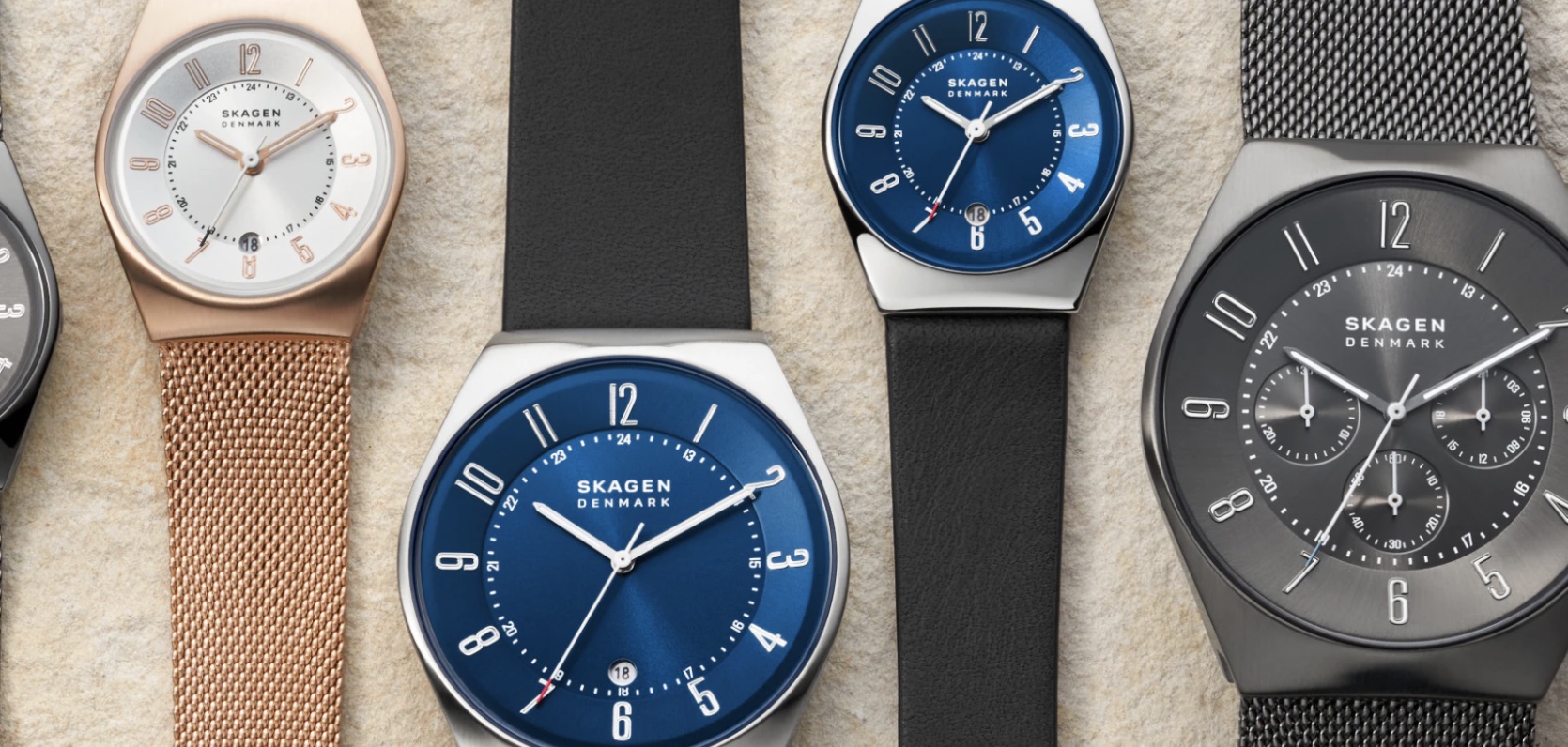
Skagen Watches are minimalistic and sleek by design yet still make a statement. By embracing ‘Danish minimalism,’ as stated by the company, Skagen Watches utilize design and color combinations that embody a coastal lifestyle. They feel that these products represent and honor their Danish heritage by using these calming colors and minimalistic designs.
To play off of their “Danish by design” tagline, Skagen prides itself on using the country of Denmark to influence every aspect of their business. From manufacturing to collaborating, Skagen takes to leaning into Denmark’s distinct lifestyle to ensure beautiful products and a fantastic customer experience.
Founded by a Danish couple, Henrik and Charlotte Jorst, in 1989, Skagen Watches quickly captured the watch scene after being showcased at a corporate gift fair in New York in 1991.
While coming to America to continue his life in the beer industry, Henrik and Charlotte also began to represent and sell Danish manufactured watches on the side. The Jorst’s eventually partnered with Comtech Watches, another Danish watch manufacturer, who produced beautifully designed watches at a budget price point, making them a hit among the American consumer.
Although Henrik and Charlotte were successfully selling these Comtech produced pieces, they soon realized how popular danish watches would become. Following this tradeshow, Skagen began to take flight under their new brand name in 1992.
As the brand became more renowned, Skagen Watches fell into Bloomingdale’s New York location in 1995 and began distributing in Europe and Asia soon after. By the early 2000’s Skagen even had dedicated offices in Denmark and Hong Kong to fulfill their distribution needs. By 2012, the company was sold to the watch giant – Fossil Group.
Manufacturing
While currently manufactured in China, these luxe wrist statements are crafted with unmistakable Danish design and movement. While Skagen Watches’ bread and butter pieces feature quartz movements and stainless steel cases, there are even a few titanium movement options (and smartwatches) as well.
Price
From their price point and style, Skagen’s brand truly does embody the laid-back and minimalistic Danish lifestyle. With style in mind, you can find Skagen Watches in many different designs and colorways, all with a relatively modest price point for such a fine and trendy watch for the modern man. Pieces ranging from $55-$300 USD can make for a lovely wrist accent without breaking the bank.
While these modestly priced pieces are stylish and affordable, the warranty as provided by Skagen certainly reflects these price points. Skagen Watches are protected by an international 2-year limited warranty that exclusively covers defects due to faulty material or workmanship. Any other flaws such as a damaged battery, case, glass, bands, or just about any other aspect of these watches, including any damage or wear, are not covered. So essentially, take care of your piece, and it will take care of you.
Skagen Watches Review: Three of The Brand’s Best Minimalist Pieces
Now, enough with the details, and let’s jump to the fine print; these sleek, minimalistic yet beautiful watches. Here is a breakdown of some of our favorites below.
Featuring a see-through body and a steel mesh or leather strap, this gorgeous piece by Skagen Watches is what we like to call a laid-back statement piece. Peering directly into the heart of the fine watch, you can see all of the bits and pieces that make your watch tick.
While it can easily blend into any outfit, anyone who takes a second more to analyze the watch will notice the attention to detail. We recommend tossing on a fresh leather jacket to make this piece pop even more.
Sick and tired of battery swap-outs? No need for anguish with the Ancher Automatic. This watch is hand-assembled and runs with the assistance of hundred of self-winding gears so you can be sure you’re on time and looking fresh all the time.
Staying true to their eco-friendly and sustainable approaches, Skagen produced a chic and minimalistic solar-powered watch that makes a statement with its bold shape. The Ryle’s slim body style is accented by its large matte face finish and elegant Roman numeral indexes, featuring eco-leather or stainless steel mesh straps.
This design makes for a truly aesthetically pleasing piece that will match almost any dark outfit you throw on. We recommend completing this look with a dark grey cashmere sweater, simple black jeans, and black or white sneakers. The perfect look for any trip around town.
Now onto something a little more different from the brand but just as eye-catching as all Skagen timepieces, the Hybrid Smartwatch HR is a smartwatch in disguise. This watch keeps its aesthetically sleek design but has all the benefits of a smartwatch.
Utilizing the classic look of an analog watch, Skagen ingeniously wove in their smart tech behind the traditional face. With its ability to become fully customizable, the Hybrid Smartwatch HR can track your activity, tell you the weather, your heart rate, and even connect with your devices to give you social notifications, text messages, and more.
As such a unique product, there are only a few flaws to its design. Perhaps the biggest downside of this watch is a lack of clarity when it comes to the initial setup. Reviewers quickly point out that the watch’s instructions are challenging to follow and understand.
Sitting at $137 USD, it’s a fair price from other smartwatches on the market, plus you get the added aesthetic of a fine Danish watch produced by Skagen.
If you decide to go the leather strap route with this watch, we recommend accenting this piece with a pair of blue jeans, tan leather Chelsea boots, and a simple hoodie.
Final Verdict: Are Skagen Watches Worth It?
Yes, Skagen Watches are worth it for their price point and aesthetically pleasing designs. Being priced anywhere from mid $50’s- $300 USD, Skagen Watches are hardly the most expensive or finely produced watches on the market.
Still, they offer an effortless aesthetic that allows you to mix and match your style and accessories with ease. Don’t expect a product that will last you a lifetime, but rather a handful of years if you take the proper care.
These watches and their builds certainly reflect their pricing, though their style screams something a bit more luxe. If you’re in the market for a good-looking watch while not breaking the bank, Skagen watches fit the bill.
Skagen Watches: Our Final Thoughts
Skagen watches are reflective of their price point. While their designs are sleek, minimalistic, and made of fine materials, these pieces are still not on the extreme high end of the watch market. If you are looking for a good-looking and sleek watch that matches just about any outfit you can put together, then a Skagen watch will never disappoint.
Represent Club Socks | $25 Cariuma Low Top Canvas | $79 Wax London Pleat Trouser | $150 Axel Arigato Grid Shopper | $125 Axel Arigato Arena Sunglasses | $190 Plain and Simple Oversized T-Shirt | $27 Axel Arigato Team Half…
2023 was a banner year for MedTech, especially in terms of technological innovations. Incidentally, it also witnessed the largest ever number of FDA approvals on novel medical devices in a single year. This list included a number of AI-enabled MedTech products, among others.
These approvals come as a strong nod to digital care delivery that is focused on driving positive outcomes for patients. Earlier this month, a new AI tool that helps doctors spot early signs of heart failure received FDA clearance – showcasing developments solely aimed at improving quality of care have picked up pace since.
MedTech firms must continue capitalizing on this progress as personalization and digital transformation is no longer an afterthought.
The path ahead will be defined by technology that ensures faster, more intuitive, inclusive, and secure care at affordable costs.
As the market evolves, MedTech firms are pressed to keep up with the changes afoot for competitive edge and business growth. The early mover advantage will be a crucial factor here as the heat intensifies. Three key areas are continuing to shape the industry:
IoMT for connected care
Delivering personalized care is the need of the hour, and MedTech leaders are turning to intelligent devices and AI-powered, cloud-first platforms to fulfill this. For instance, many providers are adopting intelligent devices equipped with smart sensors that can accurately relay patient data in real-time to an AI-enabled, cloud-first application for remote patient monitoring.
The Internet of Medical Things (IoMT) is a transformative technology that allows healthcare providers to deliver remote care using connected medical devices and software that transmits patient results online.
IoMT allows physicians and experts to analyze data in real-time to provide optimized patient care through informed decision-making and timely interventions. This is especially true in today’s scenario, where chronic diseases are straining already limited medical staff and resources.
Thus, IoMT offers a potential solution by enabling effective and affordable remote patient monitoring while significantly reducing the response time in emergencies. Integrating AI further improves the process.
However, MedTech firms must approach this issue cautiously to uphold the security, safety, and reliability of sensitive data and device compliance.
AI, the better care ally
AI, and more recently GenAI, presents a plethora of opportunities in medical imaging and chronic disease management. Here, data is the key.
For instance, several medical players are integrating AI systems with medical devices such as colonoscopy equipment to scan every image taken during the procedure in milliseconds, flagging potential lesions. The AI system can sift through tremendous amounts of data to provide insight-driven care and significantly improve the chances of early detection of colorectal cancer. This is just one example of AI transforming healthcare by empowering MedTech advancements.
Besides, AI algorithms can analyze vast amounts of patient data, including medical history, genomics, demographics, and lifestyle choices collected by MedTech devices. This helps to personalize the treatment by recommending medication, diet, and exercise regimes tailored to the patient’s unique genetic markers and lifestyle factors.
Digital platforms for accessible care delivery
Patient care has reached beyond the four walls of the hospital. Through continuous monitoring, virtual hospital wards and e-clinics powered by wearables, AI-powered cloud platforms, AR/VR, and connected devices are set to reduce in-patient visits. Recently, the FDA cleared a digital clinic that leverages virtual reality (VR) and augmented reality (AR) technology for at-home therapy.
Digitally equipped platforms like this can be used by hospitals, critical care centers, and rehabilitation centers to tackle a wide range of mental, physical, and occupational health challenges, including chronic pain, anxiety, fibromyalgia, and even dementia.
Delivering future-forward care
As the MedTech industry enters the next phase of digital evolution, it’s important to diversify the perspective – and think of accelerators like GenAI, cloud, and IoMT as tools for enhancing patient care and engagement. This will also aid providers and payers, who will now benefit from intelligent workflows, connected data streams, and preventive interventions, ultimately reducing costs and administrative burdens.
This synergy between payers, providers, and MedTech firms will also have a significant impact on public health. Cloud-based technologies and IoMT devices can facilitate remote patient monitoring and telehealth consultations, expanding access to care for individuals in underserved areas or those with limited mobility.
Moreover, AI-powered tools can determine potential health risks and enable early disease detection. This allows for preventative measures that can be rolled out before a condition progresses – leading to a healthier population overall.
To conclude, the digital transformation of MedTech will result in improved collaboration between stakeholders, paving the way for an interoperable and patient-centric ecosystem.
Photo: marchmeena29, Getty Images
Dhaval Shah, Executive Vice President and Market Head, MedTech, at CitiusTech, is responsible for developing the vision, capabilities and solutions for partnering with leading healthcare and life sciences organizations. He has more than two decades of experience in healthcare IT, including senior level roles in engineering, research, software development and IT architecture and management roles serving pharmaceutical companies, physician practices and health insurance companies.
Exploring the history of men’s fashion reveals a fascinating journey through time, highlighting how societal changes, cultural shifts, and technological advancements have shaped men’s attire.
From the intricate dress codes of the past to the diverse expressions of style today, this article delves into the evolution of men’s fashion through the decades. It offers a glimpse into how each era brought its own unique contributions to the tapestry of menswear, reflecting the values, challenges, and aspirations of the times.
As we unravel the threads of men’s fashion history, we uncover the rich narrative of masculinity, identity, and style, providing insights into how the past continues to influence contemporary fashion choices.
Keep reading to navigate the intricate story of men’s fashion through the decades, uncovering the key moments and movements that have defined the way men dress.
Key Takeaways
Discover the pivotal moments in men’s fashion from the late 1800s to the 2000s.
Understand how historical events, cultural shifts, and technological innovations have influenced men’s sartorial choices.
Explore the evolution of menswear styles, fabrics, and designs through the decades.
A Brief History of Men’s Fashion: 100 Years of Men’s Fashion Through the Decades
Late 1800s Men’s Fashion: Setting the Stage for Modern Elegance
The late 19th century was a period of sartorial transition, moving from the elaborate and often cumbersome attire of the earlier Victorian era to the more streamlined and practical styles that would define the 20th century.
The introduction of the dinner jacket (tuxedo in America) in the 1880s offered a more comfortable alternative to the tailcoat for evening wear, reflecting a shift towards ease and simplicity. Daywear was dominated by the sack suit, with its straight, relatively unshaped lines, which would become the foundation for the modern suit.
Fabrics were heavy and colors somber, with tweeds, wools, and dark shades prevailing. Accessories such as top hats, bowler hats, and the ascot tie added personality to men’s ensembles, and the introduction of the detachable collar made laundering easier and provided a crisp, neat neckline.
The 1900s heralded an era in which menswear began to embrace more comfort while maintaining the elegance of previous years. The Edwardian period, named after King Edward VII of the United Kingdom, saw the dominance of the three-piece suit, which became the cornerstone of a gentleman’s wardrobe.
The typical outfit comprised a sack suit with narrow shoulders and a slight nip at the waist, a waistcoat, and trousers with a crease that introduced a more polished look.
Morning coats and frock coats were reserved for formal occasions, showcasing a preference for tailoring that enhanced the male silhouette. Fabrics ranged from tweeds for daywear to velvets and silks for evening.
Men’s fashion in this decade was characterized by a sharper distinction between formal and casual wear, with the introduction of the lounge suit for more relaxed settings.
Accessories such as the pocket watch, cane, and gloves underscored a man’s status and attention to detail. This period also saw the popularization of the detachable collar, which, despite its stiff and often uncomfortable nature, was seen as a mark of cleanliness and refinement.
As the world moved into the 1910s, fashion encountered the disruptive force of World War I, which inevitably influenced men’s attire.
Despite the onset of war, the early part of the decade continued to see the refinement and elegance that characterized the Edwardian era. However, as the war progressed, practicality and functionality took precedence.
Military uniforms influenced civilian menswear, introducing features such as trench coats, which would become a timeless piece of outerwear. The war also necessitated a more subdued color palette, with khaki and grey dominating both military and civilian attire.
Post-war, the desire for a return to normalcy and prosperity was reflected in men’s fashion through the continuation of the three-piece suit, albeit with slight modifications for comfort and ease of movement.
The end of the decade saw the beginning of the “Roaring Twenties,” setting the stage for a significant shift towards more relaxed and flamboyant styles.
The influence of the war also led to a simplification in menswear, stripping away unnecessary adornment in favor of functionality and practicality, which would come to define the aesthetic of the subsequent decade.
The 1920s marked a period of significant transformation in men’s fashion, fueled by post-war optimism and the cultural renaissance of the Jazz Age.
Men’s attire became more relaxed and expressive, moving away from the strict formalities of previous decades. The suit remained a staple but was reinvented with lighter fabrics and brighter colors, reflecting the decade’s exuberant spirit.
The introduction of sportswear into everyday wardrobes signaled a shift towards comfort and versatility, with knitted vests, plus-fours, and casual blazers becoming popular among the younger generation.
Evening wear saw the rise of the tuxedo as an alternative to the tailcoat, embodying the decade’s flair for sophistication and partying. The iconic “flapper” era also influenced men’s fashion, with art deco patterns and accessories like silk scarves and pocket squares adding a touch of glamour.
The proliferation of automobiles led to the adoption of driving caps and goggles, showcasing how technological advancements were shaping lifestyle and, by extension, fashion.
This decade was a time of liberation for men’s fashion, breaking down rigid sartorial rules and embracing a more leisurely and flamboyant approach to dressing.
Despite the economic hardships of the Great Depression, the 1930s witnessed a surge in the elegance of men’s fashion. Tailoring became more sophisticated, with double-breasted suits, wider lapels, and backless waistcoats defining the silhouette of the era.
Hollywood’s Golden Age exerted a significant influence, with stars like Fred Astaire and Cary Grant becoming style icons, their polished and dapper appearances inspiring men globally.
The period also saw the introduction of more structured and padded shoulders in suits, creating a more imposing and masculine silhouette. Fabrics like tweed, flannel, and herringbone were popular for their durability and style.
Accessories such as fedoras, pocket squares, and cufflinks played a crucial role in completing a gentleman’s ensemble, adding a personal touch to the restrained elegance of the decade.
The 1930s refined the balance between formality and functionality in menswear, setting a standard for timeless style that would influence future generations.
1940s Men’s Fashion: Wartime Restrictions and Innovation
The 1940s were dominated by World War II, which had a profound impact on men’s fashion. The era was characterized by utility, austerity, and a focus on functionality due to wartime restrictions.
Suits became more conservative, with narrower lapels, simpler fabric patterns, and a general shift towards a more utilitarian aesthetic. The “Utility Suit,” designed to conserve fabric without sacrificing functionality, epitomized this period’s fashion ethos.
Despite the constraints, men found ways to express their style through subtle details like pocket squares and tie pins. The end of the war in 1945 marked a gradual return to luxury and excess in fashion, but the immediate post-war years remained marked by the sobering effects of global conflict.
The 1940s also saw the emergence of casual wear as a distinct category, with items like the Hawaiian shirt and chino pants gaining popularity among American servicemen stationed in the Pacific, introducing a relaxed, leisure-oriented approach to menswear that would gain traction in the following decades.
The 1950s represented a return to prosperity and conventional gender roles after the tumult of the war years, which was reflected in men’s fashion through a renewed emphasis on tailored elegance and the birth of the modern businessman’s wardrobe.
The suit was king, with single-breasted styles regaining popularity and the grey flannel suit becoming the uniform of the decade for the working man.
This era also introduced more casual elements into men’s fashion, such as the polo shirt, lightweight slacks, and the Harrington jacket, catering to the suburban lifestyle that became prevalent in post-war America.
The influence of Hollywood continued to be strong, with actors like Marlon Brando and James Dean inspiring the rebellious look of jeans, T-shirts, and leather jackets, which became emblematic of the burgeoning youth culture.
The 1950s also saw the rise of bespoke tailoring, with Savile Row in London and its counterparts in Italy crafting suits that emphasized quality and fit, setting a standard of excellence that continues to influence men’s fashion today.
The 1960s were a decade of radical change, reflected vividly in men’s fashion with the emergence of styles that challenged traditional norms and embraced individual expression.
The early part of the decade continued the clean lines and slim silhouettes of the 1950s; but as the cultural revolution took hold, men’s clothing became a canvas for rebellion against the establishment.
The mod fashion scene in London introduced sharp, tailored suits, slim ties, and the iconic parka, while the hippie movement later in the decade championed a more relaxed, eclectic style with tie-dye shirts, long hair, and bell-bottom jeans.
This era also saw the birth of the peacock revolution, during which men boldly experimented with color, pattern, and texture, moving away from the muted palette of previous decades.
Influential designers like Mary Quant and boutiques like Carnaby Street in London were at the forefront of this sartorial upheaval, which laid the groundwork for the fashion freedom enjoyed in subsequent decades.
The 1970s built on the momentum of the previous decade, presenting a wide array of styles that ranged from the disco glam of the dance floor to the rugged look of the urban cowboy.
Men’s fashion in the ’70s was characterized by its diversity and the continued breaking down of traditional dress codes. The disco era brought with it flamboyant styles, including satin shirts, flared trousers, and platform shoes, reflecting the exuberance and liberation of the dance culture.
Meanwhile, the casualwear market expanded with the popularity of sports-inspired clothing, such as tracksuits and sneakers, marking a significant shift towards comfort and practicality in everyday attire.
The decade also saw a growing interest in ethnic and historical influences, with men experimenting with styles such as the safari jacket, Nehru jackets, and various forms of traditional attire, showcasing a global consciousness in fashion.
The 1970s proved to be a decade in which personal expression and individuality were paramount, setting the stage for the eclectic and varied approaches to men’s fashion in the years to follow.
1980s Men’s Fashion: Power Dressing and Casual Cool
The 1980s were marked by an ethos of extravagance and a desire to stand out, with men’s fashion embodying the decade’s spirit of excess and individuality.
The power suit became the symbol of success, characterized by broad shoulders, pinstripes, and a tailored silhouette that exuded confidence and authority. This period also saw the rise of designer labels as status symbols, with brands like Giorgio Armani, Ralph Lauren, and Versace becoming household names.
Casualwear took a vibrant turn with the advent of neon colors, tracksuits, and the widespread adoption of athletic wear as everyday clothing, influenced by the growing fitness craze and popularized by movies and television.
The preppy look, with its polo shirts, chinos, and loafers, offered a more subdued alternative, catering to those aspiring to a collegiate, East Coast aesthetic.
The 1980s also witnessed the emergence of youth subcultures such as the New Romantics, who embraced flamboyant clothing and makeup, challenging traditional gender norms and expressing a new wave of creative rebellion through fashion.
The 1990s marked a departure from the flamboyance of the previous decade, with fashion taking a turn towards minimalism and understated elegance.
The grunge movement, epitomized by bands like Nirvana, brought distressed denim, flannel shirts, and combat boots into the mainstream, reflecting a generation’s disillusionment with the excesses of the ’80s. At the same time, the rise of hip-hop culture introduced streetwear into men’s fashion, with oversized silhouettes, graphic tees, and sneakers becoming symbols of urban identity.
Designer fashion in the ’90s also embraced minimalism, with figures like Calvin Klein and Giorgio Armani promoting a sleek, monochromatic look that focused on simplicity and quality.
This decade also saw the advent of “business casual” as a workplace standard, with men swapping suits for khakis and polo shirts, signaling a shift towards more relaxed and flexible dress codes.
The 1990s represented a period of diversification in men’s fashion, where cultural influences from music, sport, and youth subcultures played a pivotal role in shaping trends.
The 2000s were characterized by the globalization of fashion and the impact of the digital age, which democratized style and fostered a melting pot of trends.
The early part of the decade continued the casual trend of the 90s, with the popularity of denim, cargo pants, and graphic T-shirts. However, the rise of the internet and social media began to influence fashion significantly, allowing for a rapid exchange of ideas and the emergence of fast fashion.
This era also saw the resurgence of luxury brands, with men investing in high-end sneakers, designer denim, and logo-emblazoned apparel as symbols of status. The metrosexual phenomenon emerged, highlighting a growing interest in grooming, skincare, and fashion-forward attire among men.
Additionally, the 2000s experienced a revival of vintage and retro styles, with fashion enthusiasts looking to past decades for inspiration, leading to a eclectic mix of old and new influences in men’s wardrobes.
The decade was marked by a blend of comfort, practicality, and a newfound appreciation for personal expression through fashion.
The 2010s saw an intriguing mix of retrospective appreciation and forward-thinking innovation in men’s fashion. This decade celebrated the revival of heritage styles, with a strong emphasis on craftsmanship, quality materials, and classic menswear elements.
Tailoring made a strong comeback, focusing on bespoke and made-to-measure suits, highlighting the sartorial elegance of bygone eras with a modern twist. Simultaneously, the fashion world embraced the advent of techwear, characterized by garments that blend high-performance fabrics with functional, futuristic designs.
This period also marked the zenith of streetwear’s influence on mainstream fashion, with brands like Supreme and Off-White blurring the lines between luxury and casual wear.
The power of social media platforms, especially Instagram, transformed how fashion trends were disseminated and adopted, with influencers playing a pivotal role in shaping menswear trends.
Additionally, the 2010s underscored a growing interest in sustainable fashion, reflecting a broader societal shift towards environmental consciousness in consumer choices.
Final Verdict
The journey through men’s fashion from the late 1800s to the 2000s reveals a fascinating evolution, shaped by social, economic, and technological changes. Each decade added its distinctive flair to the menswear landscape, contributing to the diverse and dynamic nature of modern male attire.
FAQ
Men’s fashion originated from a blend of necessity, cultural influences, and social status, evolving over centuries from simple tunics and robes to the complex array of styles seen today.
Men’s fashion changed in the 1920s because of post-World War I economic prosperity, cultural shifts like the Jazz Age, and a desire for more comfortable, less formal clothing that suited the new, more active lifestyle of the era.
One hundred years ago, in the 1920s, men typically wore suits that were more relaxed and comfortable than in previous decades, with sportswear influencing everyday wear, leading to the popularity of items like knitted vests, plus-fours, and casual blazers.
The incorporation of traditionally feminine clothing into men’s wardrobes has been seen throughout history, but it became more prominent in mainstream fashion during the 1960s and 1970s with the counterculture and androgynous rock stars, and has seen a resurgence in recent years with the push towards gender fluidity in fashion.
Before the modern suit became the standard, men wore a variety of garments depending on the period and culture, including tunics, breeches, doublets, and robes, often layered and accessorized with stockings, hats, and capes.
Pants, or trousers, were not made exclusively for men; although they have been a staple in men’s wardrobes for centuries, various forms of trousers have also been worn by women in different cultures and time periods, though they became widely accepted for women in Western societies only in the 20th century.
You’re smart. You avoided the terror of the extended shaver market and headed straight to Braun—reliable, design-led, and precision-engineered Braun. But finding the best Braun shavers requires an understanding of the range, what’s good, and what is suitable for whom. Don’t worry; I’ve got it from here.
Braun was founded in Frankfurt, Germany, in 1921 and has continually churned out high-quality and innovative German electrical goods. In 1955, famous designer Dieter Rams joined the company and helped to synonymise Braun with “good design.”
But, it was founder Max Braun’s invention of the dry foil raver in 1950 that we’ll be focussing on. It works by setting a load of oscillating blades behind a protective metal foil. The hairs poke through the holes in the foil and get trimmed; meanwhile, the skin stays clear of danger.
This technology is perfect for those with sensitive skin and is still the preferred design for a close-skin electric shaver by Braun.
Don’t worry if this feels like a lot of information. Braun’s versatile products can provide your daily shaver, weekly shaver, and head shaver, all within a budget that suits you, too. Read on below to find the best Braun shavers.
Key Takeaways
For this undertaking, I delved into a particular period of my life when I traveled to and from New York for modeling work. Back then, my Braun M90 kept me looking sharp.
Since this was my only experience of owning a Braun, I then moved my search online. I trawled through Reddit, read many reviews, watched YouTube videos, and absorbed online articles. I swallowed up as much information as I could.
Then I filtered, deciphered, and regurgitated all of that to determine the 5 best Braun shavers you see below.
Overall, the best Braun shaver is the Braun Series 9 Pro 9460cc because it sits at the top of the Braun range in terms of capability but can now come at a reasonable price. For this article, I mainly considered price and capability and tried to put that in the context of what a purchaser needs from their shaver.
I chose the Braun M90, the cheap, cheerful, and reliable travel shaver by Braun, as my runner-up spot because of the incredible price.
Why it’s great: This Braun is loved by much of the internet. It’s a highly capable, versatile, and comfortable shaver. It comes with the 94 cassette head with a ProLift trimmer, the latest technology in getting hairs lying flat on the skin.
The innovative shaver head combined with the rugged power of the motor means that this shaver can whittle your facial hair back to zero even after a whole week’s growth and is still gentle on the skin. That is wild.
Its proficiency also makes it an excellent head hair shaver to keep the bald head bald. It’s undoubtedly the best Braun electric shaver. Is it the best on the market?
Who is this for? For those with sensitive skin who want a shaver that’ll cleanly chop through up to a week’s facial hair with ease. The 40,000 cutting actions per minute allow you to go through a week’s worth of different beard styles before cutting back again.
But the Series 9 PRO has a brilliant array of accessories, too. There’s the comprehensive, automatic cleaning station, the PowerCase with a safety lock that charges while you travel, plus easy cleaning cartridges.
Flaws but not deal-breakers: The only con that most people find is the price. And since the release of the newer Pro+, there are lots of deals to be found on the internet… so…
Battery Life: 1 hr | Waterproof: Yes | Beard Type: up to 7 days growth | Skin Type: All
Why it’s great: If the Series 9 was a little expensive, the Braun Pocket Electric M90 almost seems too affordable. Such a premium brand releasing an accessible travel shaver like this should excite the “deal” senses.
The device is easy to use, clean, compact, fits into your wash bag, and is super durable. Protective travel lock case.
I like how it is focused on functionality and ergonomics. The text is laid out simply enough so that even male models can understand it, and it has a very useful extendable styling blade for mustache or side-burn touch-ups. What more do you need from a traveling groomsman?
Who is this for? I once owned an M90. It was my go-to shaver when I was traveling a bunch for modeling, going back and forth from NYC to London, and I had to keep my baby face as baby-faced as possible. For this purpose, it was ideal.
This is by far one of the best Braun shavers. It has a very sleek, simple, and effective protective case that prevents the shaver from being turned on while locked. This design leans into the minimalist Rams-era design ethos that elevated the brand in the 20th Century.
Flaws but not deal-breakers: The M90 is entry-level. You can shave only light/short beards and only dry shave. Also, it’s not quite as compact as other mobile shavers.
Battery Life: 1 hr | Waterproof: No | Beard Type: Short | Skin Type: All
Why it’s great: The Series 9 PRO+ is an elite-level electric shaver. It’s the latest and greatest offering from Braun and sits at the top of its range. It has all of the same brilliant accolades as the PRO.
This is one of the best Braun shavers out there. It swallows up a week’s worth of stubble, has an LED screen, a 6-in-1 SmartCare center, a PowerCase, excellent battery life, and an ergonomic shape. But there’s even more to it…
Who is this for? The Series 9 PRO+ is for those who expect better than great. It brings an upgraded hair trimmer (straight-edged as opposed to curved on the PRO), a titanium-coated shaver for maximum corrosion resistance, SyncroSonic technology that uses sound to adapt to your beard, and a “Pro Comfort” pre-shave head that lifts flat beard hairs.
Finally, the PRO+ version has striking black and gold details to say: this is not your ordinary Series 9 PRO.
Flaws but not deal-breakers: Expensive. Very, very expensive.
Battery Life: 1 hour | Waterproof: Yes | Beard Type: up to 7-days growth | Skin Type: All
Why it’s great: Why is this Braun’s most popular shaver? Simple. It provides a good shave at a reasonable price; it is durable, ergonomic, and a good size for traveling; and it looks chic. Plus, the cost of ownership is low since the replacement heads are affordable and durable compared to other low-cost electric shavers.
It also carries an advanced battery. It fully charges in 60 minutes, giving a whopping 45 minutes of charge. Impressive ratios. Plus, you can get a single shave just from a 5-minute charge, making this a practical cordless and one of the best Braun shavers you can lay your hands on.
Who is this for? But, the real clincher? It’s designed for those with sensitive skin. The ProSkin 3-blade cutting system is reliable and effective, with two foils and one MicroComb slit-trimmer that handles awkward, flat hairs.
The blades are independently reticulating too, meaning that it will glide over your face like a monster truck going over a Toyota Yaris.
Flaws but not deal-breakers: The power button is easily set off. This means that it can be knocked while traveling and while shaving.
Battery Life: 50 mins | Waterproof: Yes | Beard Type: short-ish | Skin Type: All
Why it’s great: You can forget about the Series 5, 6 and 7. They replace the “old” style Braun shape, bring in plastic parts, and a frankly unnecessary head rotation that escalates with each model.
The Series 8 is an altogether different beast. This shaver sticks with the old shape, retains build quality, and is an all-round Rolls Royce of a shaver.
The Series 8 has a slide-out “ProTrimmer” on the back for shaping solid, durable metal replacement heads (83M cassettes); front and back head flex, and a powerful motor that can chop a 3-day beard with glee.
Who is this for? This is one of the best Braun shavers on the market today. It’s for those who want to get close to the luxurious service of the Series 9 but want to pay the Series 8 money. The newer, more shiny Series 9 has been released, meaning that the price of the Series 8 is now good value for money.
Flaws but not deal-breakers: If the Series 9 didn’t exist, then this would reign as King of Braun. That not being the case, it lacks some of the new features and upgrades of the 9.
Battery Life: 1 hr | Waterproof: Yes | Beard Type: Short | Skin Type: All
All of the Braun products listed here have a battery life of 45 minutes to 1 hour of continuous use. This gives ample charge for multiple shaves if you’re away from home and have forgotten a charger. Although battery life is important, charge time is where Braun excels. Equally important.
With just 5 minutes of charge, you can achieve a single shave. It’s ideal if you’ve forgotten to charge it up. But also, Braun offers the Clean and Charge station, so you don’t have to think about maintenance or charging, you just slot it in its port at home.
Or, if you’re traveling, some models offer the PowerCase, which charges on the go. Or, you could go old school and use replaceable batteries by buying the M90 model.
Waterproofing
Braun excels in waterproofing. Every single one of the products on this list of the best Braun shavers is waterproof by standard. And most are wet/dry shaveable. That means you can shave with shaving cream or in the shower if you wish. Only the M90 isn’t able to wet shave and must be done dry.
Beard Type
Some of the latest, most powerful Braun models, like the Series 9, can scythe down a week’s worth of beard growth using just a foil shaver. That is mighty impressive. However, these foil shavers are optimally used on short hair to keep the stubble at bay daily.
The foil shaver technology, plus a lot of Braun’s other innovative recent tech, is geared towards reducing irritation of the skin. This makes Braun ideal for those with sensitive skin.
A good electric shaver must balance various qualities. However, some qualities are almost innate when you buy a Braun shaver. The battery life is between 45 minutes and 1 hour, making battery life a pointless thing to differentiate.
All of the best Braun shavers use a foil shaver head, meaning that they are predisposed to catering to sensitive skin. They are all relatively chunky and, therefore, ergonomically sound. So, let us see what differentiates them.
Shaving Frequency: This can range from 1 to 2 days for the M90 travel shaver to a whole week for the Series 9 PRO. The longer you can leave your beard before shaving, the more robust the motor, the more advanced the shaver heads, and, therefore, the more expensive the shaver will be.
Price: Value for money is a huge consideration. Although the Series 9 PRO+ is undoubtedly the “best” shaver, every other shaver is far better value for money. The best all-round value for money is the Series 3.
Accessories: The higher up the range, the more advanced the accessories become. The M90 has practically no accessories. The Series 3 does have a cleaning center, but it’s rarely a configuration option, adds relative expense, and is only 3-in-1 (clean, charge, and lubricate).
Finally, the Series 9 PRO+ comes with the specialized “ProComfort” pre-shave accessory, plus a 6-in-1 cleaning station.
Size: This is important for traveling and ergonomics. The M90 is the perfect light travel companion because of its size; if you’re just traveling with a rucksack and space is limited. However, it is unwieldy and not as good a shaver as others.
The Series 3, 8, and 9 are all more bulky but can be bought with charging travel cases, so if you’re booking stowaway luggage, then this is the best option.
Online Reputation: Braun has a stellar reputation generally. But, forums allow users to analyze and dissect specific models honestly. This is a more accurate and telling depiction of the quality than working from brand reputation alone.
Why Trust Us?
Like his beard, Harvey James’ knowledge of shavers has taken shape in recent years. As a trusted FashionBeans contributor, he regularly writes about these ingenious vibrating scissor machines. He wrote an in-depth review of Brio’s Beardscape V2 and cut the entire Wahl range down to size, revealing the best 5.
Harvey began his shaving career with £0.50 Bic razors before realizing that a cheap razor is a one-way ticket to a sliced-up face. He didn’t care. He was just glad to have hair at all.
Then, he got signed as a model and needed to upgrade. Enter his first electric shaver, the trusty Braun M90. This M90 model traveled with him (also a model) and trimmed his beard to shape for some of the biggest names in the fashion industry. If there’s anyone out there to trust on the topic of the best Braun shavers, it’s Harvey.
Final Verdict
The Braun Series 9 PRO is the best Braun electric shaver. It has the power, reliability, and finesse that the brilliant PRO+ model has. But, crucially, it is much better value for money.
FAQ
Broadly speaking, yes, though there is a great diversity within the electric shaving category. You can snag an M90 travel shaver for around $20, making it an excellent value-for-money product from a reputable shaving brand. Although the best Braun electric shavers are expensive, they’re also some of the most technically advanced and have unique features. For some older models, like the Series 8, there are some excellent deals to be found online.
The story didn’t make national news. But as a pharmacist, it spoke to me on a visceral level: Ohio’s Board of Pharmacy fined one pharmacy for $250,000 in February, citing a 2021 investigation that revealed understaffing, unsafe storage for medications, 10 cars in the drive-thru with not enough staff to service them, and the fact that the pharmacy was 30 days behind in filling prescriptions.
Imagine not being able to fill your prescription for 30 days. What if the prescription was your mom’s? Your kid’s? What about patients with chronic conditions, or transplants, or cancer, or those who may need daily medications to live? This one fine levied at this one pharmacy is living proof that all the margins in the prescription drug industry have been so eroded that the healthcare ecosystem is running on a skeleton, with patients left holding the empty prescription bag.
Much has been made of how we’ve gotten here, with blame spread to the pharma manufacturers, the pharmacy benefit manager (PBM) middlemen, vertical integration and monopoly power of conglomerates, and more. But the question is: How do we move forward?
The answer: We must realign the financial incentives and democratize access through data sharing. Pharma needs to lead the charge, but employers and pharmacies must also be agents of change. Here’s how we can do it.
Realign financial incentives by connecting pharma and employers directly
There’s a reason the Big 3 PBMs own more than 80% of the market and are in the Fortune 25. It all comes down to the money. Pharma shells out billions in rebates, but those billions are not offsetting the cost of their products, so where does it go? Though employers do receive a portion of the rebates, PBMs and their Group Purchasing Organizations (GPOs) typically keep part of the rebates, and/or add admin and data fees to the rebates that they then pocket. It is estimated these fees can total up to about 5-11% of the WAC, or Wholesaler Acquisition Cost. These fees have nothing to do with the actual cost of the drug – and are incremental to the administrative fees that PBM’s may charge employers for managing the same benefit services.
Additional practices of PBMs to hold on to profits are well established by now and under scrutiny from regulators. But let’s boil it way down: Pharma knows what they pay in rebates. Employers know what they spend on drugs. But these two healthcare players are disconnected from each other by the PBMs, who obscure the flow of money in their contracts. Pharma and employers have no way to reconcile their spending to know – are we getting a good deal? A competitive one? A fair one? Without the receipts, no one can tell.
Free the data to understand the real cost of drugs and improve outcomes
Speaking of receipts: The PBMs rob us from a lot, but one of those things is knowledge. They are the masters of the data, and they obscure it in their complicated, confusing contracts. Even if an employer becomes an expert in contract language, there are so many loopholes and loose definitions that the PBMs can get around almost anything. The system is PBM-created, and they know how to game it.
Without the data – the cost information, what was paid to the pharmacy, the utilization of the drug, the success of the drug, more – we can’t really change anything about the system. But when we know better, we do better. A new prescription drug system must connect the data from the pharmacies to the claims at the prescription level, returning that data back to employers, pharma, and centers of excellence so that all players know the outcomes. Freeing the data creates an informed view for patient care, which helps impact health outcomes.
The solution: Bring the players together on a direct pharma marketplace
These issues are the side effects; the root diagnosis is a broken system. So to make change, we have to attack the core issue. Pharma should seek alternative market-access channels that allow them to control the price of their product in-market. That channel has to decouple fees from WAC and transition to transactional-based fees.
In a new direct pharma marketplace, pharma can contract directly with employers, finally controlling their price in-market while having the data to understand the true cost of their therapies. Without the legacy PBMs in the way, think of the possibilities:
Pharmacanreestablish a direct relationship with patient-members; access real-time data on product adoption, utilization, and medication success to help develop products and services in a more informed manner; and capture higher gross-to-net profits, which allow for the R&D that will cure the next disease.
Employers can actually know what they’re paying for prescription drugs and focus on a lowest net cost approach to pharmacy benefits.
Pharmaciescan end the reimbursement games that PBMs play and, to bring it back to that Ohio fine, afford to staff appropriately without the financial threat of bankruptcy.
Let’s go back to the beginning. At that Ohio pharmacy, there were real patients who probably couldn’t get their prescriptions for 30 days. In a broken system, the patient pays the ultimate price.
But in a simplified, connected, sustainable, financially aligned marketplace, the patient benefits from a simplified process, greater access to prescriptions, more options to pay, and a transparent experience that empowers them to become full consumers of their healthcare.
It will take all healthcare players to get in the boat and row in the same direction. But it’s worth it to impact even one patient’s ability to understand, fill, afford, and adhere to their prescription. Pharma can’t – and shouldn’t – do it alone. But we can do it together by operating in a new marketplace that aligns incentives and simplifies the prescription process.
We can do this. We must. Or else healthcare will become unaffordable for everyone.
Photo: cagkansayin, Getty Images
Kelcey Blair leads Prescryptive Health’s strategic and business development relationships with pharmaceutical companies, developing transformative access channels and innovative business models that disrupt the current pharmacy industry. She has more than 20 years of experience in pharmacy, working on the retail, specialty, PBM, and health services sides. During her time at Express Scripts, Kelcey led Clinical and Trend Solutions where she was responsible for initiatives to maximize patient health outcomes, utilization management programs, and Medicare Clinical Programs. Kelcey is a registered pharmacist and holds a BS in Pharmacy from St. Louis College of Pharmacy, and a Doctor of Pharmacy degree from Massachusetts College of Pharmacy and Health Sciences, Boston.
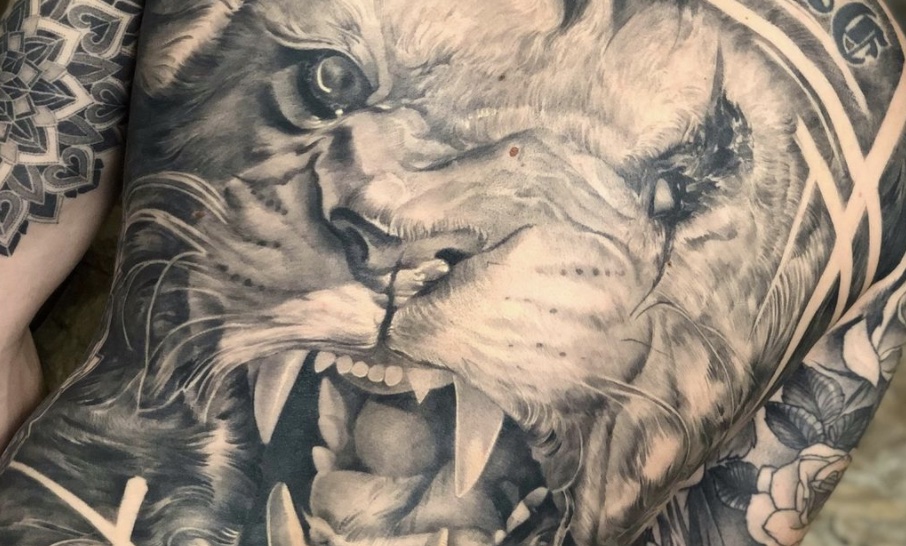
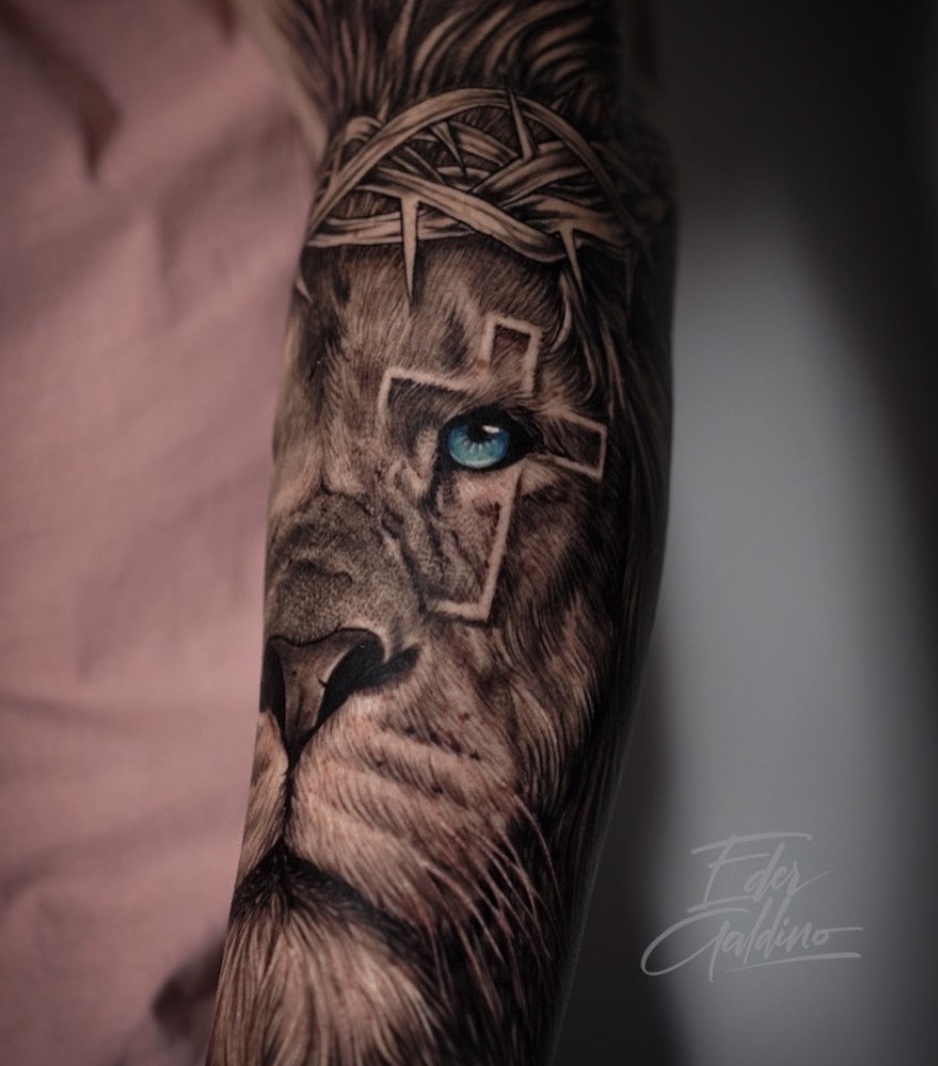
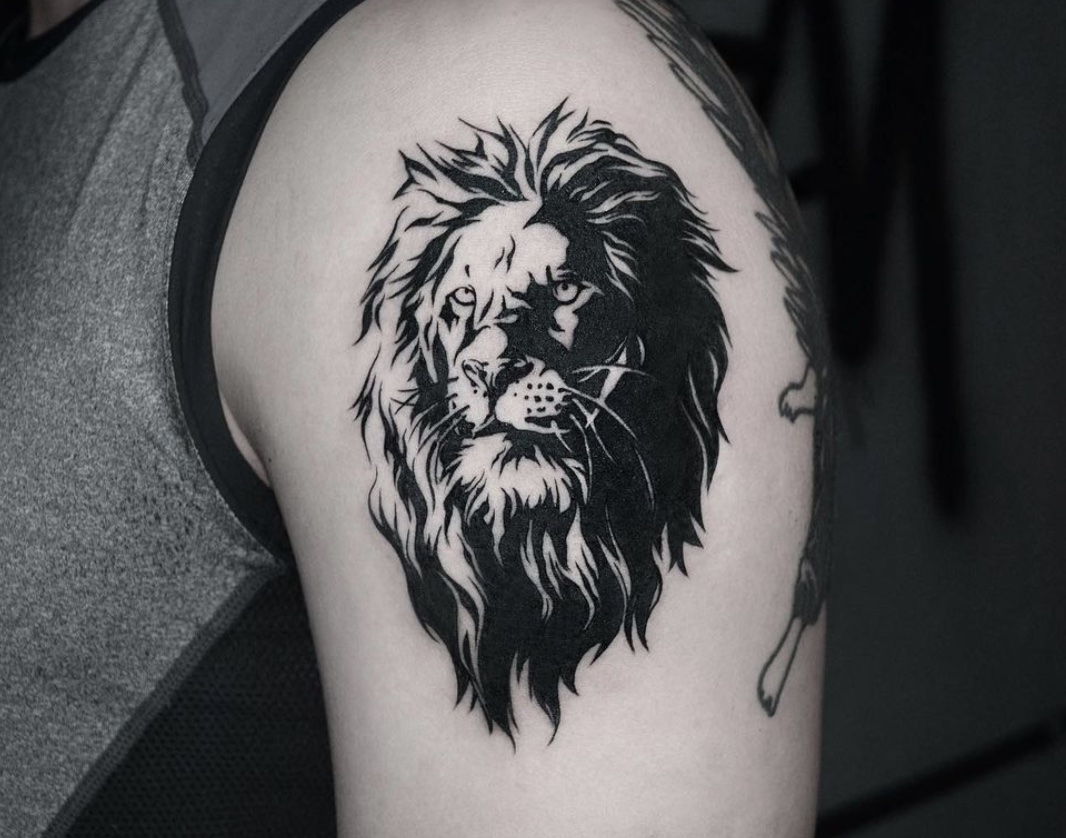
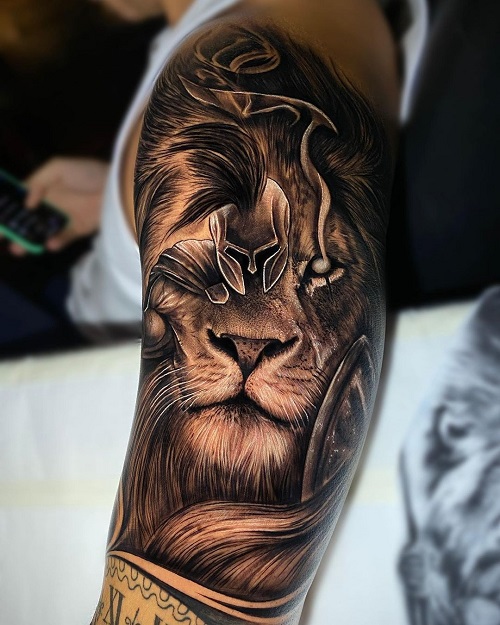
Lions are popularly known as ‘The King of the Jungle.’ Ok, well, we all know that lions don’t live in the jungle, but that doesn’t mean they aren’t the kings of their domain. Mighty hunters that rely on teamwork and strength to assert their dominance, a lion tattoo is another way to remind yourself that only the strong survive.
While men’s tattoos of these big cats can be successfully applied to various canvases on the body, their majestic countenance and bold features are best suited for oversized designs. This means that some of the most exciting lion tattoos you come across will be on the chest, thigh, back, and upper arm.
Whether utilizing the understated elegance of black and grey or the jaw-dropping vitality of a full-color piece, the ink in this collection will provide you with plenty of ideas for your very own lion tattoo.
1. Lion with Crown Tattoo
We still call the lion the king of the jungle for a good reason. The undisputed champion of the savannah, lion tattoo designs often feature a lion with a crown to hammer home this regal nature and show off a bit of your own inner king.
@_alfonso_estrada / Instagram
2. Lion King Tattoo
The Disney classic that many of us grew up with, The Lion King, is as great today as it was when we were kids. Lion King tattoos are the perfect choice for anyone trying to exemplify the qualities of loyalty, honesty, and friendship that the movie champions.
@whistlertattoos / Instagram
3. Lion Head Tattoo
Eye-catching in any style, lion head tattoos are impressive designs that look good on various body sections. The bold features of these big cats and the qualities they represent — power, poise, and majesty — make these visually striking tattoos and deeply meaningful.
@jannesdegroot.tattoo / Instagram
4. Tribal Lion Tattoo
While they aren’t everyone’s cup of tea, tribal work continues to be popular, and it’s easy to see why. The bold lines, stark black ink, and unique shapes that typify this style can make for some exceptional work. When applied to a subject as impressive as the King of the Jungle, the appeal of tribal lion tattoos, especially as a lion tattoo for men, is obvious.
@maggietattooartist / Instagram
5. Simple Lion Tattoo
Some of the best art forgoes complexity for simplicity. This straightforward approach can lead to designs that effortlessly capture the essence of these noble beasts with impressively understated results.
@24k_tattoos / Instagram
6. Lion of Judah Tattoo
A powerful symbol in the Rastafarian belief system, this lion represents strength, nobility, and African sovereignty. Thus, making the lion of Judah tattoo an excellent choice for anyone wanting to show their devotion to Haile Selassie I.
@redbaytattoo / Instagram
7. Female Lion Tattoo
While the male lion is the king, the females do most of the hunting that keeps these big cats at the top of the food chain. Because of this killer instinct and well-earned reputation as apex predators, female lion tattoos are perfect for anyone who respects feminine power.
@blackatlasstudios / Instagram
8. Lion Cub Tattoo
Undeniably cute young lions make for interesting tattoo subjects thanks to their adorable faces hiding their fierce lineage. For this reason alone, lion cub tattoos are widely used to commemorate children or represent the wearer’s devotion to his offspring.
@highendtattoos.geleen / Instagram
9. Lion Eyes Tattoo
There is no mistaking the striking gaze of a lion; their piercing eyes and unflinching profile make these tattoos a unique choice for folks that can convey the fierceness of their style with just one look.
@ghostshipshefford / Instagram
10. Lion Face Tattoo
Whether gazing stoically into the distance or baring the canines that strike fear into the animal kingdom, the noble features of the lion make for some eye-catching designs in a variety of styles, particularly popular as a lion tattoo for men.
@seventattoo / Instagram
11. Lion and Lamb Tattoo
Packed full of symbolism, lion and lamb tattoos are intensely meaningful to those wearing them. The lion symbolizes power, physical strength, and aggression, representing the dual nature of life, while the lamb stands for innocence, peace, and spirituality. These characters are significant within the context of Christianity.
@martinkellytattoo / Instagram
12. Lion with Flowers Tattoo
Another way to represent binaries in the natural world is incorporating the classic representation of the feminine (a flower) into an arguably masculine tattoo design (a lion). A lion with a flower tattoo offers plenty of unique and creative expression opportunities along with this symbolic meaning.
@liamrebeltattoos / Instagram
13. Geometric Lion Tattoo
One recent movement that has gained popularity is the recreation of organic subject matter with angular lines and complex shapes, most resulting in stunning geometric tattoos. With the natural ferocity of these powerful cats, Geometric lion tattoos are excellent examples of this unique approach to design.
@inezalmeida_tattoo / Instagram
14. Lion and Lioness Tattoo
Teamwork makes the dream work, or so they say. Lions embody this ethos, with the females hunting and males providing the muscle. For these reasons, lion and lioness tattoos are great couple tattoos that symbolize this ride-or-die spirit.
@brian_sena_tattoo / Instagram
15. Lion Family Tattoo
Unlike most big cats, lions live in large extended family groups, using their strength in numbers to increase success when hunting and when protecting the pride. Use this lion family tattoo to represent the importance of family in your life.
@sf_tattooartist / Instagram
16. Roaring Lion Tattoo
Few things capture the raw power of nature like hearing a male lion’s thunderous roar. The apex of masculinity, roaring lion tattoos are good ways to show off the wearer’s spiritual connection to the King of the Jungle.
@mederink / Instagram
17. Traditional Lion Tattoo
While not quite as common in old-school tattooing as their Asian cousin (tiger tattoos) traditional lion tattoos can make for some unique and eye-catching pieces. Utilizing the bold lines and vibrant colors that American traditional tattoos are known for, the ferocious lion is perfect for this classic approach.
@youngraytattoo / Instagram
18. Lion Skull Tattoo
The lion skull tattoo offers a unique alternative to often more straightforward pieces inspired by these big cats. Perhaps representing the death of the traditional characteristics associated with lions — strength, aggression, masculinity — the skull of a lion is as aesthetically appealing as it is symbolically complex.
@bespoketattoos / Instagram
19. Lion Paw Tattoo
Another alternative to the classic lion head design, lion paw tattoos can make impressive designs. They are also a great way to memorialize your family, with each paw print representing a new child or cherished loved one.
@briannespeakman / Instagram
20. Mountain Lion Tattoo
The African lion’s American cousin, the mountain lion, or puma, is another fierce cat that uses stealth instead of brute force. The mountain lion is an excellent alternative for the person that wants a big cat but prefers something a bit more memorable than the typical lion or tiger tat.
@tattoosbyandrewsussman / Instagram
21. Lion Cross Tattoo
Powerful symbols in Christian beliefs, the lion represents Jesus resurrected. When another important Christian symbol, the cross, is added to a design, lion cross tattoos become intense expressions of the strength of the wearer’s faith in god.
@edergaldinotattoo / Instagram
22. Lionheart Tattoo
To be lionhearted is to have bravery and fortitude inscribed in one’s heart so deeply that only the noblest creatures fully convey these traits’ weight. Lionheart tattoos are an obvious choice for anyone looking to show the world the depth of their character.
@jezz_tat2 / Instagram
23. Lion and Rose Tattoo
Some of the most rugged designs use opposing concepts to create unique, profound works. Lion and rose tattoos are excellent examples of this approach, pairing the King of the Jungle’s strength, aggression, and masculinity with the delicate feminine beauty of a rose.
@arloo_tattoo / Instagram
24. Lion Outline Tattoo
Not every design needs to be full of complex line work or deep shading. Sometimes the simplest method is best; with the lion’s specific features, this tattoo demonstrates how successful this ‘less is more’ approach can be.
@garotattooboy_ / Instagram
25. Lion Sleeve Tattoo
A subject that is larger than life like the lion deserves a canvas that can do it justice. Therefore committing to a lion sleeve is a great choice, not only for the space it gives the lion but also for the ability to incorporate other design elements, like different animals and landscapes.
@darkheritagetattoo / Instagram
26. Lion Forearm Tattoo
Not everyone wants to dedicate their entire arm to a single piece. Lion forearm tattoos are a good way for these folks to give their favorite big cat some skin and save room for other meaningful ink.
@alexlemondragon / Instagram
27. Lion Chest Tattoo
Quite possibly the perfect placement for a lion piece, the chest is the largest and most prominent canvas, save for the back. For this reason — as well as the symbolism of having the King of the Jungle over your heart — lion chest tattoos continue to be popular worldwide.
@natemillerart / Instagram
28. Lion Tattoo on Hand
While it isn’t as big as the chest, few canvases can challenge the hand’s prominence. Putting a lion tattoo on your hand thus makes it one of the boldest design choices for anyone who wants to dedicate a bit of skin to the ultimate big cat.
@bakon_one / Instagram
29. Shoulder Lion Tattoo
Another popular area of the body, the shoulders, contains a variety of natural lines that can be effectively utilized to create striking and dynamic designs in the hands of a talented artist.
@gabrielsouza.tattoo / Instagram
30. Lion Thigh Tattoo
The thigh is an overlooked canvas that is finally getting the recognition it deserves. This placement is particularly well suited to the broad face of a fully maned lion, making lion thigh tattoos an easy choice for anyone that respects the king of cats.
@kirst_tattoo_artist / Instagram
31. Lion Arm Tattoo
The arms can bear several good-sized pieces or one large, comprehensive design full of potential. Add to this the natural anatomical lines of these limbs, and it’s easy to see the appeal of lion arm tattoos.
@dynamic_tattoo_studio / Instagram
32. Lion Back Tattoo
By far the most prominent area on the body, there is something awe-inspiring about a complex, precise, full-back tattoo. Lion back tattoos are the only option for anyone looking to go big.
@jimleclerctattoo / Instagram
33. Lion Neck Tattoo
Some folks wear their heart on their sleeve, and others wear a lion on their neck. Lion neck tattoos are a bold way to show the world you play by your own rules, warning these tattoos may not be suitable for the button-down office worker.
@negurche / Instagram
34. Lion Finger Tattoo
In the past, such a detailed design might have been hard to come by, but with the skill of modern artists, lion finger tattoos are not only possible but are truly impressive.
@ginaktattoos / Instagram
35. Lion Leo Tattoo
The king of the Jungle is the king for a reason, one that always shows might, fierce, and loyal to their pack. It makes sense why the lion is paired with the Leo zodiac symbol. Either representing your sign, or the star sign of someone you love, this tattoo speaks for itself.
@oceanfronttattoo / Instagram
What does a lion tattoo mean?
Lion tattoos represent strength, loyalty, and courage and for those men that live their lives by these principles, a lion tattoo is the perfect expression of individuality.
What is the best place for a lion tattoo?
These striking animals can be successfully applied to several locations on the body. Still, the chest is probably the best place for a lion tattoo, thanks to the prominent orientation and large body part size.
What would go well with a lion tattoo?
From crowns to skulls to roses, many different design elements can be incorporated into a lion tattoo. The only thing limiting the design is your imagination and your artist’s skills.