The role of leaders is, of course, a complex one. But to Andy Grove, management guru and author of the seminal High Output Management, it came down to the key task of being able to maximize the output of a team. Managers who can “leverage” their team in this way, argued Grove, can be force multipliers who drive superior performance.
Part of management, then, if we are to follow Grove’s path, is to identify what is getting in the way of optimal team performance. One challenge here that continues to receive attention is burnout. Exhausted employees — mentally and physically — can, of course, no longer contribute to that ideal team output. A new Gallup poll shows one in four government employees are burning out. It’s just the latest example of a $2-trillion problem facing the US economy.
Anybody can experience burnout. However, in the neurodivergent community in particular, burnout at work is a constant topic of focus. Neurodivergent people — including autistic people, dyslexic people and ADHDers (and collectively perhaps up to 20% of the population overall) — appear particularly at risk of burnout at work, to the extent that “neurodivergent burnout” is a well-acknowledged and accepted phenomenon.
Neurodivergent burnout can have many similarities with what we can call “neurotypical burnout” — chronic exhaustion and lethargy, struggling to ask for help, changes in mood and more. Yet it also has its more specific features, more unique to neurodivergent workers, which can include social withdrawal, executive function overload — leading to challenges with memory, for example — and a significantly reduced tolerance to sensory stimuli.
Neurodivergent burnout can come, of course, from over-work, but there are often other factors at play. These can include stress and confusion about work expectations (due to poor communication), or a lack of accessible support. One likely huge contributor here, too, is what is known as “masking” — essentially, the effort to mask one’s neurodivergent traits and attempt to present as “neurotypical” to others.
Most knowledge workers remain patchily familiar with the very concept of neurodiversity, despite the growing awareness of the size of the neurodivergent demographic, and despite the demonstrated high performance of the many business icons of our time (Richard Branson, Elon Musk, Barbara Corcoran to name just a handful) who are neurodivergent themselves.
A recent study in the UK found that 33% of neurotypical managers don’t know what “neurodiversity” means, and this figure is likely higher in the US and other markets where neurodiversity is less well-known in the corporate sector than in the UK.
There are many incentives for neurodivergent people not to mask at work — accessing support (this could be simple flexibility), and feeling they can truly be themselves amongst colleagues. Yet this level of cultural ignorance significantly disincentivizes disclosure, with many neurodivergent people choosing not to share this with others at work as a result. Hence, masking — and its significant burden here — is all too common, something that drains individual energy every day, reduces productivity, and accelerates the possibility of burnout.
According to Gallup, managers are responsible for 70% of the variance of employee engagement, and continue to have a huge role to play here — but with many remaining uninformed about neurodiversity, and uncomfortable talking about the topic as a result, burnout challenges catalyzed by neurodivergent masking are likely to continue.
By contrast, in teams with a core awareness and familiarity of neurodiversity — indeed, the critical realization that any team is by definition neurodiverse — individual contributors can feel more comfortable surfacing their (and others’) preferences and needs. This helps create a more comfortable space for disclosure, and a far better chance to realize Andy Grove’s vision of optimal team output and productivity.
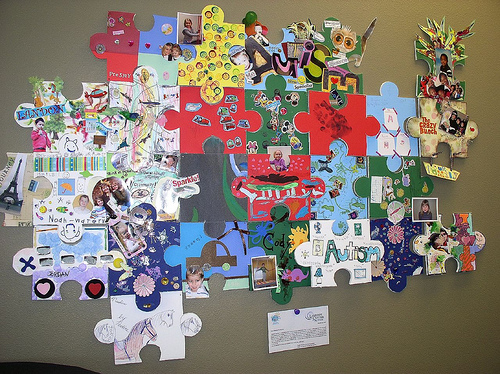
Photo credit: Flickr user Kathleen Leavitt Cragun

Ed Thompson is the founder and CEO of Uptimize, which has helped companies such as Google, Salesforce, IBM, Accenture and JP Morgan supercharge their teams by leveraging the talents of all neurotypes.
Thompson is an authority within the “Neurodiversity at Work” movement that has highlighted the unique skills of neurodivergent individuals, such as autistic people, ADHDers, or dyslexic people, and the fact that this talent is often unintentionally excluded in the workplace.
His book, “A Hidden Force,” provides a compelling case for how organizations gain a competitive edge by cultivating the talents of all types of thinkers in their teams.
Leave a Reply